SAQ for Chapter 1 Geographical Diversity of India Class 7 Social Science NCERT
Important Questions1
Q1: Why is India called a subcontinent?
Answer
India is called a subcontinent because it has distinct geographical features like mountains, plains, deserts, plateaus, and coasts. It is also culturally and historically different from its neighbors.
SAQ
2
Q2: How do natural boundaries affect India's geography?
Answer
Natural boundaries like the Himalayas, deserts, and oceans protect India and influence its climate and biodiversity. They also help shape regional cultures and lifestyles.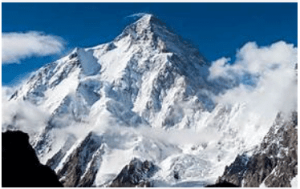
Himalayas
SAQ
3
Q3: What are the main features of the Himachal range?
Answer
The Himachal range has moderate height, rich biodiversity, and human settlements. It is home to popular hill stations like Shimla and Mussoorie.
SAQ
4
Q4: What role do the Shivalik Hills play in India’s geography?
Answer
The Shivalik Hills are the outermost part of the Himalayas and are covered with forests. They form the transition between the mountains and the Gangetic plains.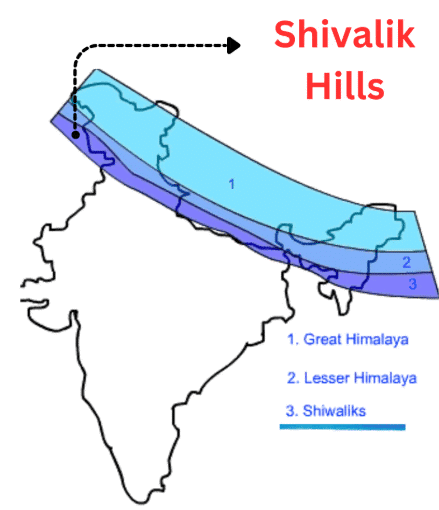
SAQ
5
Q5: Describe the climate and terrain of Ladakh.
Answer
Ladakh is a cold desert with freezing winters and little rainfall. It has rocky terrain, high valleys, and lakes like Pangong Tso.
SAQ
6
Q6: How do people in Ladakh adapt to their environment?
Answer
People in Ladakh use yaks for transport, wool, and milk. They celebrate local festivals and live simply due to harsh weather conditions.
SAQ
7
Q7: What is the importance of rivers in the Gangetic Plains?
Answer
Rivers like the Ganga and Brahmaputra provide water for farming and daily use. They also carry minerals from the Himalayas that enrich the soil.
SAQ
8
Q8: Why is the Thar Desert known for its unique lifestyle?
Answer
People in the Thar Desert use camels, store rainwater, and clean utensils with sand. These adaptations help them survive in the hot, dry climate.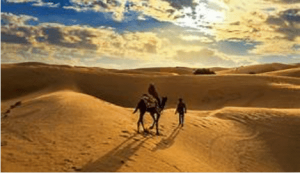
Thar Desert
SAQ
9
Q9: What is the historical importance of forts in the Aravalli Hills?
Answer
Forts like Chittorgarh and Ranthambore were built in the Aravalli Hills for defense. They show India’s rich historical and architectural heritage.
SAQ
10
Q10: How is the Peninsular Plateau different from the Northern Plains?
Answer
The Peninsular Plateau is elevated and made of hard rocks, while the Northern Plains are flat and fertile. The plateau is rich in minerals and forests.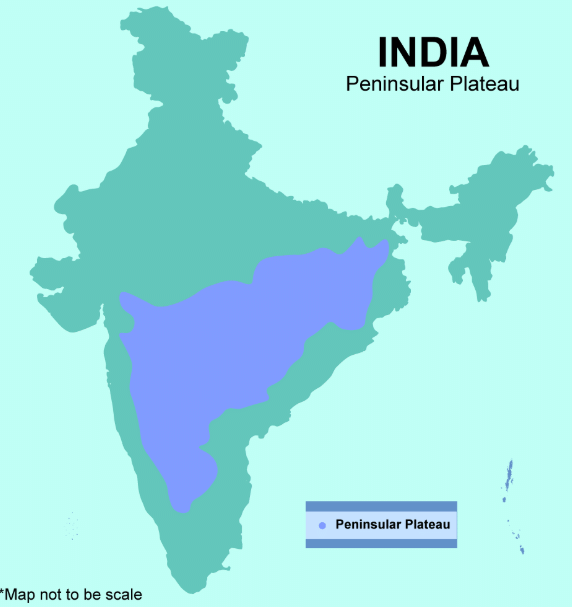
Peninsular Plateau
SAQ