SAQ for Chapter 10 Life Processes in Plant Class 7 Science NCERT
Important Questions1
Q1: How do plants grow?
Answer
Plants grow by obtaining water, sunlight, and nutrients from the soil. Its visible growth includes new leaves, branches, increased height, and thicker stems.
2
Q2: What is photosynthesis?
Answer
Photosynthesis is the process by which plants use sunlight, chlorophyll, carbon dioxide, and water to produce glucose and oxygen. It mainly occurs in the leaves.3
Q3: Why are leaves called the "food factories" of plants?
Answer
Leaves are called the "food factories" because they perform photosynthesis, producing food (glucose) for the plant using sunlight, water, and carbon dioxide.4
Q4: What is the role of chlorophyll in plants?
Answer
Chlorophyll is a green pigment in leaves that captures sunlight, which is necessary for photosynthesis. It helps convert light energy into chemical energy to produce food.5
Q5: What is the function of stomata in leaves?
Answer
Stomata are tiny pores on the surface of leaves that allow the exchange of gases. They take in carbon dioxide for photosynthesis and release oxygen as a by-product.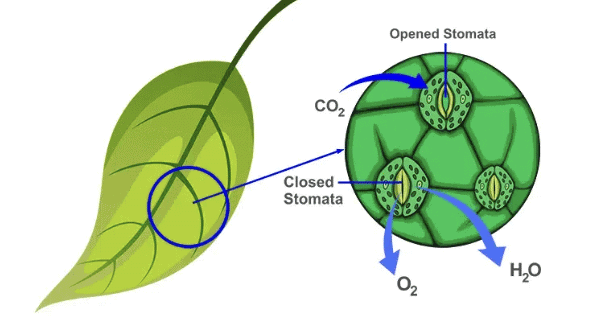
6
Q6: How do plants absorb water and minerals?
Answer
Plants absorb water and minerals through their roots. These are then transported to other parts of the plant by xylem, a specialized vascular tissue.7
Q7: What is the difference between xylem and phloem?
Answer
Xylem transports water and minerals from the roots to the rest of the plant, while phloem transports food (glucose or starch) produced in the leaves to other parts of the plant.8
Q8: Do plants respire?
Answer
Yes, plants respire to produce energy for growth and other functions. Respiration involves breaking down glucose with oxygen, releasing carbon dioxide, water, and energy.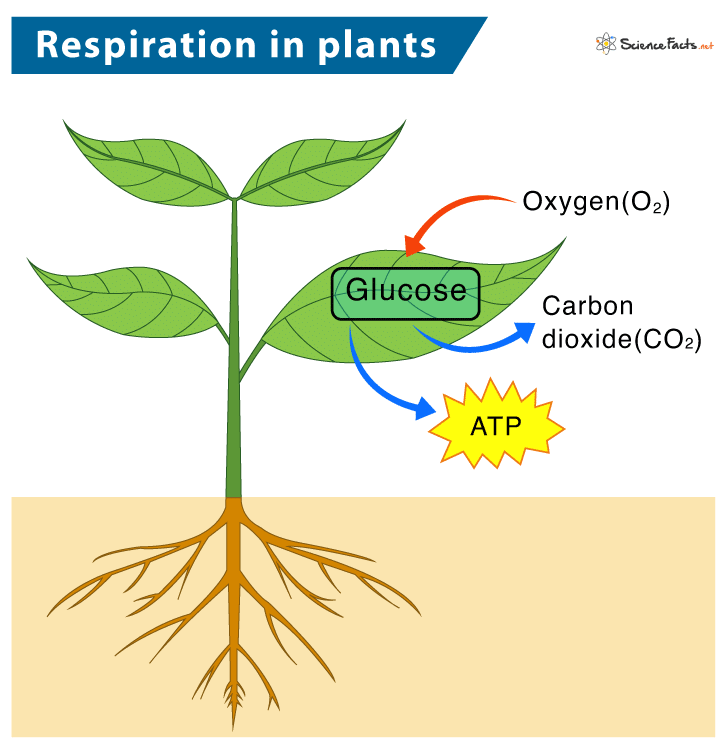
9
Q9: What is the importance of carbon dioxide in photosynthesis?
Answer
Carbon dioxide is essential for photosynthesis. Without it, plants cannot produce starch, even if they have sunlight, water, and chlorophyll.10
Q10: What happens to the starch produced by plants during photosynthesis?
Answer
The starch produced in plants is stored for later use. It serves as a carbohydrate reserve that can be converted into glucose when needed for energy.