SAQ for Chapter 9 From the Rulers to the Ruled: Types of Governments Class 7 Social Science NCERT
Important Questions1
Q1: How do governments ensure the safety and welfare of people?
Answer
Governments ensure safety by maintaining law and order, protecting the country from external threats, and providing essential services like healthcare, education, and infrastructure. They also create policies for economic stability and social welfare.
SAQ
2
Q2: What is the difference between a monarchy and a democracy in terms of power?
Answer
In a monarchy, power is typically inherited by a king or queen, while in a democracy, power is derived from the people through elections, and leaders are chosen by the citizens.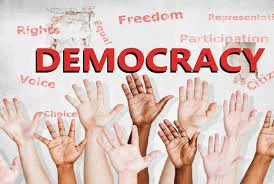
SAQ
3
Q3: Why is democracy considered important for people?
Answer
Democracy is important because it gives people the power to choose their leaders, ensuring that their voices are heard and their rights are protected. It promotes equality, freedom, and accountability in governance.
SAQ
4
Q4: How does the process of electing representatives work in a democracy?
Answer
In a democracy, citizens vote in regular elections to choose representatives who will make decisions on their behalf. These elections are held at different levels, such as local, state, and national.
SAQ
5
Q5: What is a theocracy, and how does it differ from a democracy?
Answer
A theocracy is a form of government where religious leaders rule based on religious laws. Unlike democracy, where people elect their leaders, in a theocracy, power is vested in religious authorities.
SAQ
6
Q6: How is the separation of powers important in a democracy?
Answer
The separation of powers ensures that no single branch of government (legislative, executive, judiciary) has unchecked authority. It maintains a system of checks and balances, ensuring fairness and preventing abuse of power.
SAQ
7
Q7: What is the role of a legislature in a democracy?
Answer
The legislature’s role is to make laws that govern the country. In democracies, the legislature is often elected by the people and is responsible for representing their interests and ensuring justice through laws.
SAQ
8
Q8: What is the role of an executive in a democracy?
Answer
The executive implements the laws made by the legislature and manages the country's day-to-day affairs. It includes leaders like the president, prime minister, and ministers, who are responsible for governance.
SAQ
9
Q9: How does a judicial system contribute to a democracy?
Answer
The judicial system ensures that laws are followed and resolves disputes between citizens or between the government and the people. It protects citizens' rights and ensures justice, upholding the rule of law.
SAQ
10
Q10: What challenges does democracy face in the modern world?
Answer
Democracy faces challenges such as corruption, unequal access to resources, and the concentration of power in the hands of a few people or groups. Additionally, misinformation and the influence of money in politics can undermine democratic processes.
SAQ
11
Q11: What is the significance of universal adult franchise in a democracy?
Answer
Universal adult franchise allows all adult citizens, regardless of gender, caste, or wealth, the right to vote. This ensures that every citizen has an equal say in choosing their leaders and shaping the government.
SAQ
12
Q12: How do monarchies today differ from those in ancient times?
Answer
Today’s monarchies are mostly constitutional, where the king or queen has limited power, and the government is run by elected officials. In ancient times, monarchies were absolute, with kings having full control over the state and its people.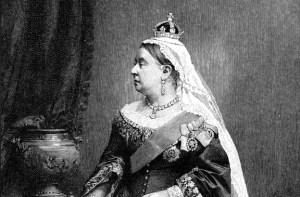
Monarchy
SAQ
13
Q13: What are the three main functions of government in a democracy?
Answer
The three main functions are legislative (making laws), executive (enforcing laws), and judicial (ensuring laws are followed and resolving disputes).
SAQ
14
Q14: How does a monarchy differ from a democracy?
Answer
In a monarchy, a king or queen rules the country, often with hereditary power, while in a democracy, leaders are elected by the people.
SAQ
15
Q15: What is the difference between direct and representative democracy?
Answer
In direct democracy, citizens directly make decisions and laws, while in representative democracy, citizens elect representatives to make decisions on their behalf.
SAQ
16
Q16: What is meant by "universal adult franchise"?
Answer
Universal adult franchise means that every adult citizen has the right to vote in elections, regardless of their social or economic status.
SAQ
17
Q17: How did the Chola period influence democracy in ancient India?
Answer
The Chola period included a system where local assemblies and councils were elected by citizens, influencing the development of democratic governance in India.
SAQ