LAQ for Chapter 12 Understanding Markets Class 7 Social Science NCERT
Important Questions1
Q1: How do markets contribute to the economy of a country?
Answer
• Markets play a vital role in the economy by facilitating the exchange of goods and services.• They ensure that resources are distributed efficiently across the country, promoting trade and stimulating production.
• Markets also help generate employment opportunities, boost income generation, and support businesses by connecting them with consumers.
• Moreover, taxes collected from markets provide revenue for the government to fund public services.
LAQ
2
Q2: Why are price negotiations important in a market?
Answer
• Price negotiations are important because they allow buyers and sellers to agree on a fair price for goods or services, ensuring both sides benefit from the transaction.• If the price is set too high, demand decreases, while a price set too low may lead to losses for sellers.
• Through negotiation, the price stabilizes, making the transaction mutually beneficial and maintaining a balance between supply and demand.
LAQ
3
Q3: How do government controls on prices affect markets?
Answer
• Government controls, like price ceilings and floors, are essential to prevent price manipulation and ensure fairness in markets.• A price ceiling ensures that essential goods, such as medicines or food, remain affordable for consumers.
• On the other hand, price floors guarantee that producers, especially farmers, receive a fair price for their goods, protecting them from market fluctuations.
• These regulations maintain market stability and protect both consumers and producers.
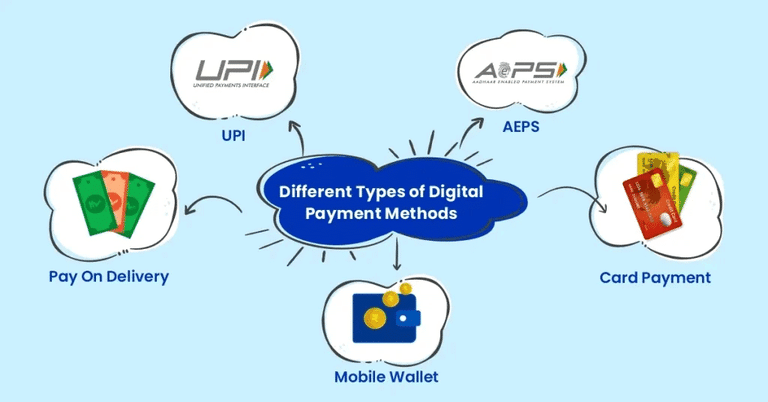
Online Payment Methods
LAQ
4
Q4: What is the role of guilds in market transactions and trade?
Answer
• Guilds were organized groups of traders and craftsmen that regulated trade in ancient markets.• They set standards for quality, ensured fair pricing, and resolved disputes within the community.
• Guilds provided members with resources, protection, and a network for business opportunities. By promoting cooperation rather than competition, guilds played a critical role in maintaining a stable and efficient market system.
LAQ
5
Q5: How have physical and online markets evolved over time?
Answer
• Physical markets have been around for centuries, where buyers and sellers meet face-to-face to exchange goods. With technological advancements, online markets have emerged, enabling consumers to shop from the comfort of their homes.• Online platforms offer convenience, a wider range of products, and competitive prices.
• However, physical markets still hold value by providing a direct sensory experience and immediate product availability, and they are ideal for certain services like tailoring or street food.
LAQ
6
Q6: What are the differences between wholesale and retail markets in terms of function and trade?
Answer
• Wholesale markets deal with large quantities of goods bought in bulk from producers and sold to retailers, who then sell smaller quantities to consumers in retail markets.• Retail markets cater directly to the consumer, making goods available in smaller amounts. While wholesale markets focus on supply chain efficiency, retail markets focus on providing goods to individuals and households, supporting the final step of the distribution process.
LAQ
7
Q7: How do markets impact people's lives on a daily basis?
Answer
• Markets are essential for people's daily needs, providing food, clothing, services, and more.• They connect producers and consumers, allowing people to access goods they cannot produce themselves.
• Markets also foster relationships and trust, as families often rely on local grocers or tailors for regular purchases. In addition, markets provide economic opportunities and support livelihoods for millions of people involved in production, trade, and services.
LAQ
8
Q8: How does the government balance regulation and freedom in markets?
Answer
• The government regulates markets to ensure fairness, safety, and transparency in transactions.• This includes setting price controls, ensuring product quality, and protecting consumers from exploitation.
• At the same time, the government allows businesses to operate freely to encourage innovation and competition.
• A balance is necessary to prevent monopolies, protect the environment, and ensure that markets remain efficient and responsive to consumer needs.
LAQ