LAQ for Chapter 8 How the Land Becomes Sacred Class 7 Social Science NCERT
Important Questions1
Q1: How do pilgrimage routes and sacred geography contribute to cultural unity in India?
Answer
• Pilgrimage routes and sacred geography contribute to cultural unity by connecting different regions through shared religious journeys.• As people travel to sacred sites like the Char Dhām or Kumbh Mela, they encounter diverse customs and traditions, but also uphold shared values of reverence for nature and spirituality.
• This exchange of culture strengthens India's unity by bridging regional differences and fostering a common religious identity.
LAQ
2
Q2: What is the concept of sacred ecology, and how does it relate to environmental conservation?
Answer
• Sacred ecology refers to the belief that natural elements like rivers, mountains, and forests are sacred and should be protected due to their spiritual significance.• This belief encourages communities to preserve and protect the environment, as they view these natural elements as divinely sacred.
• Sacred ecology blends spirituality and environmental conservation, ensuring that these natural resources are treated with reverence and care for future generations.
LAQ
3
Q3: How do sacred sites like the Ganga River and the Himalayas connect nature with spirituality in India?
Answer
• Sacred sites like the Ganga River and the Himalayas are seen as divine entities in Hinduism, with the Ganga considered a goddess and the Himalayas a gateway to heaven.• Pilgrims travel to these places not only for spiritual purification but also to connect with the natural world.
• The belief that nature itself is sacred fosters a deep connection between religious practices and the preservation of these natural landscapes.
LAQ
4
Q4: Describe the importance of the Kumbh Mela in shaping India’s religious and cultural landscape.
Answer
• The Kumbh Mela is one of the largest religious gatherings in the world, where millions of pilgrims gather at sacred river confluences to bathe and cleanse themselves spiritually.• This pilgrimage is deeply rooted in India’s religious and cultural identity, as it reflects the importance of sacred geography, rituals, and unity.
• The Kumbh Mela not only highlights the sacredness of the rivers but also strengthens communal bonds across different regions of India through shared religious practices.
LAQ
5
Q5: How does the concept of sacred groves contribute to biodiversity conservation?
Answer
• Sacred groves are protected forests that are revered as homes of deities in various Indian cultures.• These groves are a vital part of biodiversity conservation, as they preserve unique species of plants, animals, and ecosystems.
• Since these groves are protected by local communities, they offer a sanctuary for endangered species and play a crucial role in maintaining ecological balance, while also fostering a sense of reverence for nature.
LAQ
6
Q6: What is the significance of the Shakti Pithas and Jyotirlingas in Hinduism?
Answer
• The Shakti Pithas and Jyotirlingas are sacred sites dedicated to the goddess Shakti and Lord Shiva, respectively.
• The Shakti Pithas are believed to be locations where the body parts of Sati, the divine consort of Shiva, fell, while the Jyotirlingas represent sacred shrines of Shiva.
• Both these sites are central to Hindu spirituality, with pilgrims visiting them to seek blessings, spiritual purification, and divine protection.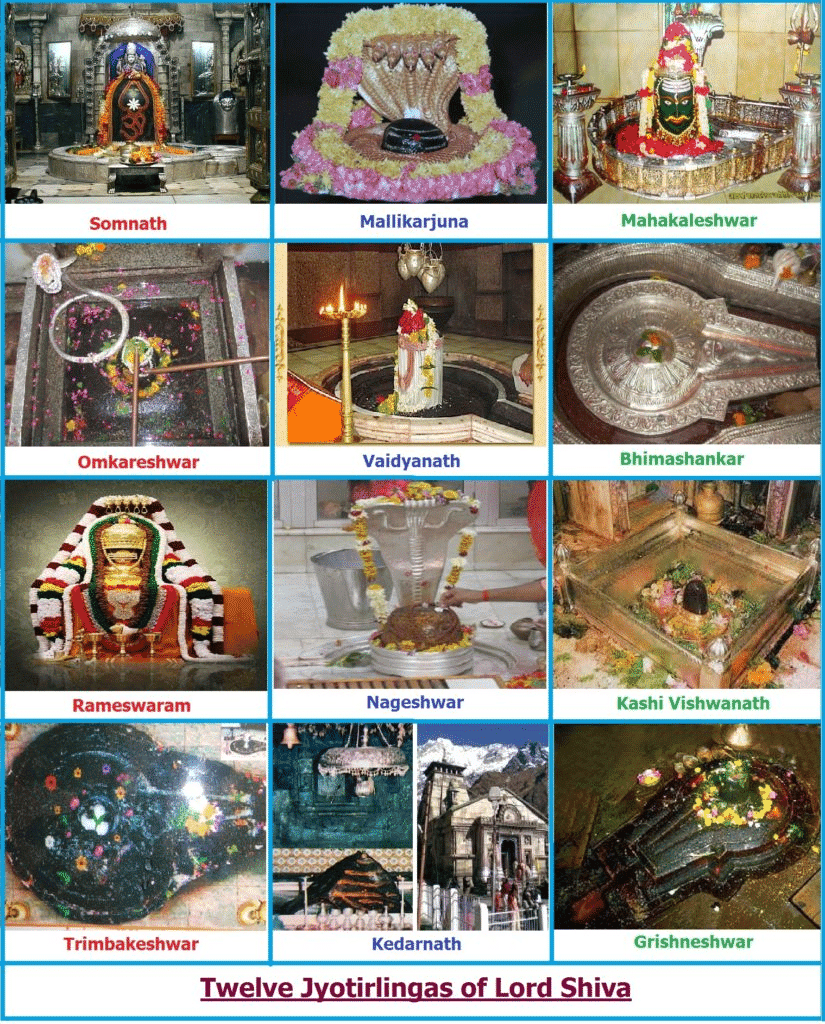
Jyotirlingas
LAQ
7
Q7: How does the sacredness of rivers like the Yamuna and Kaveri influence local communities?
Answer
• Rivers like the Yamuna and Kaveri are considered sacred in India, and their sanctity influences local communities in many ways.• People often perform rituals, prayers, and festivals along the banks of these rivers, believing that the water holds purifying power.
• Communities that depend on these rivers for their livelihoods, like fishing or farming, also maintain strong cultural practices that protect and preserve the river, reinforcing the sacred bond between the people and the land.
LAQ
8
Q8: Explain the impact of sacred geography on India's cultural diversity and unity.
Answer
• Sacred geography in India plays a significant role in promoting cultural diversity and unity by providing shared spaces for religious practices.• Sites like the Char Dhām, Kumbh Mela, and various pilgrimage routes bring together people from different regions, languages, and traditions.
• Although these pilgrims come from diverse backgrounds, they are united by their respect for sacred places and their common belief in the divine power of nature and geography, creating a sense of national unity through shared religious values.
LAQ