Summary for Somebody's Mother Class 8 English Poorvi
Book Solutions1
Answer
Mary Dow Brine (1816-1913) was an American poet who wrote short moral and domestic poems that reflected family life, sympathy and simple lessons. Her poems often focus on kindness, compassion and the dignity of ordinary people. Her best known poem for young readers is Somebody's Mother, which teaches respect for the elderly and the power of small acts of goodness.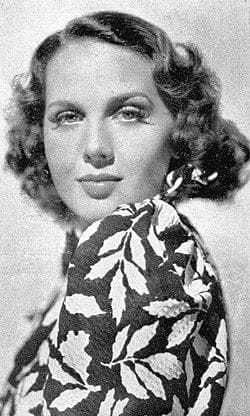
2
Answer
- An old, ragged, grey-haired woman stands helplessly by a snowy, slippery street, unable to cross safely.
- Passers-by ignore her, showing society's indifference to the elderly and the weak.
- A group of school boys rushes past, laughing and playing, paying no attention to her needs.
- The woman is timid and afraid of carriages and horses, which makes crossing the street dangerous for her.
- One cheerful boy stops and offers to help her cross the road safely.
- The woman places her trembling hand on the boy's strong arm; he guides her carefully across the street.
- The boy proudly rejoins his friends, feeling happy and content, and reminds them that she is somebody's mother who deserves respect.
- He hopes that someone will help his own mother if she becomes old and helpless one day.
- That night the old woman prays to God and asks blessings for the noble boy who showed her kindness.
- The poem emphasises kindness, empathy and respect for the elderly, and shows how a small act can deeply affect people's lives.
3
Stanza 1
The woman was old and ragged and grey
And bent with the chill of the Winter's day.
The street was wet with a recent snow
And the woman's feet were aged and slow.
Answer
The poem opens by describing an elderly, poor woman struggling in winter. Words such as "ragged", "grey" and "bent" stress her physical weakness, while the "chill of the Winter's day" suggests hardship and loneliness. Her slow feet show that she cannot move quickly, making her crossing dangerous. The lines immediately invite the reader's sympathy and set the scene of vulnerability.4
Stanza 2
She stood at the crossing and waited long,
Alone, uncared for, amid the throng
Of human beings who passed her by
Nor heeded the glance of her anxious eyes.
Answer
The old woman waits at a busy street crossing, but no one notices her. The “throng of human beings” passing by shows human indifference and self-absorption. Her “anxious eyes” reflect fear and hesitation, highlighting her isolation and the lack of care society provides to vulnerable people. This stanza underlines the theme of neglect and the social responsibility humans have toward the elderly.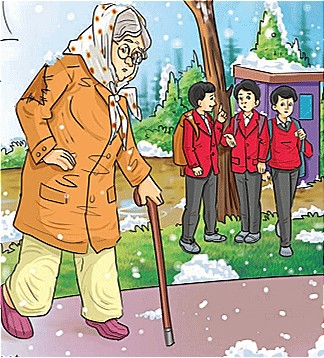
5
Stanza 3
Down the street, with laughter and shout,
Glad in the freedom of "school let out,"
Came the boys like a flock of sheep,
Hailing the snow piled white and deep.
Answer
A group of school boys comes along, full of life and excitement after school. They are compared to “a flock of sheep”, which shows their playful, careless movement. The poet contrasts the energy and joy of youth with the frailty of the old woman, highlighting how society’s young often remain unaware of the struggles of the elderly. This creates a vivid image of contrast between youth and old age.6
Stanza 4
Past the woman so old and grey
Hastened the children on their way.
Nor offered a helping hand to her-
So meek, so timid, afraid to stir
Lest the carriage wheels or the horses' feet
Should crowd her down in the slippery street.
Answer
The boys pass her without offering help, showing the general lack of awareness and compassion among people. The old woman is cautious, afraid to move on the slippery street because of danger from carriages and horses. This stanza emphasizes her vulnerability and society’s neglect, reminding readers that elderly people often face risks when they are ignored or overlooked.7
Stanza 5
At last came one of the merry troop,
The gayest laddie of all the group;
He paused beside her and whispered low,
"I'll help you cross, if you wish to go."
Answer
Finally, one kind-hearted boy notices her and offers help. This act shows empathy, moral courage, and kindness. Even though he is young, he recognizes the woman’s difficulty and acts responsibly. The stanza conveys the importance of noticing and helping those in need, demonstrating that small gestures can make a big difference.8
Stanza 6
Her aged hand on his strong young arm
She placed, and so, without hurt or harm,
He guided the trembling feet along,
Proud that his own were firm and strong.
Answer
The old woman holds the boy’s arm, and he helps her cross the street safely. This shows the connection between generations and emphasizes the use of one’s strength to protect the weak. The boy feels proud for doing a good deed, reinforcing the idea that helping others brings personal satisfaction and moral growth.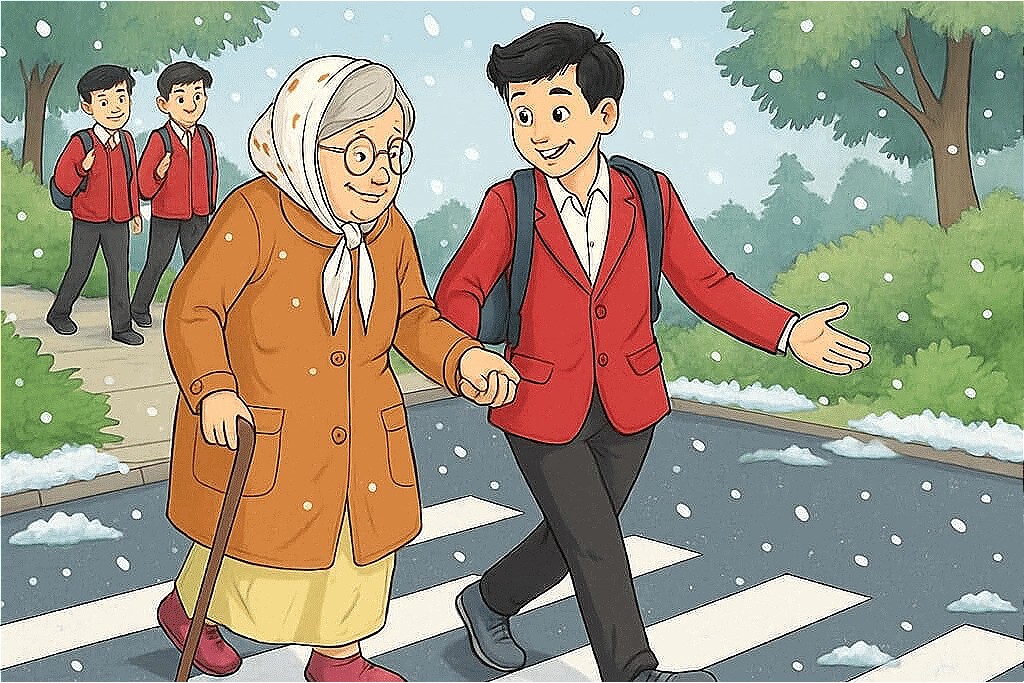
9
Stanza 7
Then back again to his friends he went,
His young heart happy and well content.
"She's somebody's mother, boys, you know,
For all she's aged and poor and slow",
"And I hope some fellow will lend a hand
To help my mother, you understand"
"If ever she's poor and old and grey,
When her own dear boy is far away."
Answer
The boy rejoins his friends with a quiet pride and reminds them that the woman is "somebody's mother". His remark makes the others see the woman as a human being with a family, deserving of care. He also thinks ahead to his own mother, recognising that everyone may one day need help. The stanza teaches empathy, responsibility and the idea that kindness should be extended to all.10
Stanza 8
And "somebody's mother" bowed low her head
In her home that night, and the prayer she said
Was "God be kind to the noble boy,
Who is somebody's son, and pride and joy!"
Answer
The old woman returns home and prays for the boy, expressing gratitude for his kindness. This ending emphasizes the reward of moral actions and the power of gratitude. It reinforces the idea that helping others, even in small ways, is noble and brings happiness to both the giver and the receiver. The poem concludes with a positive moral lesson about compassion and human decency.11
Answer
The central theme of the poem is kindness, compassion and respect for the elderly and helpless.
- The poem shows how society can neglect the old, poor and weak, and how a single act of kindness can bring hope and comfort.
- The contrast between the careless, busy crowd and the boy's thoughtful action highlights the importance of noticing and helping those in need.
- The poem reminds readers that everyone is "somebody's mother" or "somebody's loved one" and therefore deserves dignity and care.
12
Answer
- Small acts of kindness have great value. Even a simple gesture can make a big difference in someone's life.
- We should treat the elderly with respect and compassion, because one day we or our loved ones may need the same care.
- What we do for others today may be returned to us or our families tomorrow-the boy helps the old woman hoping someone would help his own mother in the future.
- True nobility lies in having a kind heart and empathy, not in wealth or power.
13
Answer
- Ragged: Torn or worn out; showing signs of age.
- Throng: A large crowd of people gathered together.
- Meek: Quiet, gentle and submissive.
- Timid: Shy or lacking confidence.
- Hasten: To move or act quickly.
- Trembling: Shaking slightly, often because of fear or cold.
- Proud: Feeling deep pleasure or satisfaction in one's actions.
- Content: Satisfied; feeling at ease with what one has.
- Bow: To bend the upper part of the body forward as a sign of respect.
- Prayer: A request or expression of thanks directed to a higher power.
- Noble: Having high moral qualities; honourable.
- Joy: A feeling of great happiness.
- Anxious: Worried or nervous about something.
- Glance: A brief or quick look.
- Carriage: A wheeled vehicle for people, often pulled by horses (common in older settings).